Expert Electric Service Provider Solutions for Every Requirement
An skilled electrical professional delivers solutions that tackle a wide variety of needs across residential and commercial sectors. These experts ensure adherence with safety standards and enhance operational efficiency. From installations to energy management, their knowledge is essential for reducing risks and avoiding costly errors. Grasping the intricacies of local codes strengthens their value. Nevertheless, steering through the selection and engagement process can be complex, posing critical inquiries about how to select the right contractor for particular requirements.
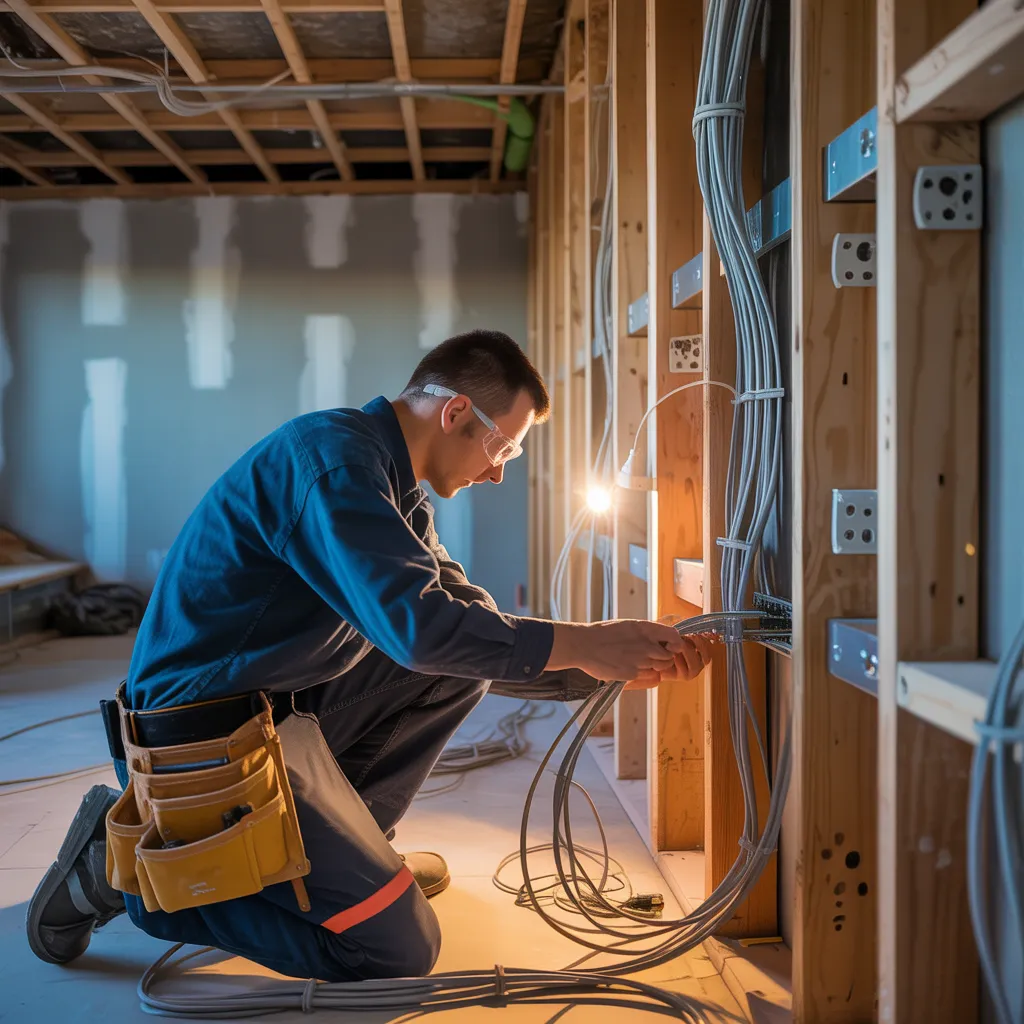
Why Working with a Qualified Electrical Technician Is Indispensable
Engaging a qualified electrician professional can greatly impact the safety and functionality of a building's electrical system. These specialists possess the essential instruction and experience to guarantee that all electrical work follows local requirements and regulations. This adherence minimizes the risk of hazards such as electrical fires, shock, and equipment failure. Additionally, a skilled contractor can precisely determine the specific electrical needs of a property, delivering tailored solutions that enhance efficiency and performance.
In conjunction with safety, contracting with a professional can prevent expensive errors that frequently arise from DIY efforts or engaging unlicensed technicians. Their expertise enables prompt project finishing while safeguarding quality. In addition, a reputable professional generally offers warranties and assurances, offering peace of mind to property owners. Ultimately, the choice to contract with a licensed electrical professional is not just regarding ease; it is an undertaking in the sustained safety and dependability of a home's electrical infrastructure.
Standard Power Services Supplied by Contractors
A substantial variety of electrical services is typically delivered by vendors to fulfill diverse client needs. These offerings feature residential wiring, where contractors configure and preserve electrical systems in homes, upholding wellbeing and compliance with local codes. Commercial electrical work entails installations and repairs in trade settings, concentrating on efficient energy use and consistent functionality.
Additionally, skilled technicians supply lighting installation and upgrades, enhancing both aesthetics and functionality in various spaces. They also excel at diagnosing and repairing electrical problems, addressing concerns like flickering lights or circuit overloads.
Moreover, energy efficiency assessments are executed to support customers decrease energy consumption and cut energy costs. Contractors regularly provide support for the implementation of automated home technology, introducing intelligent systems for better control and user convenience. In conclusion, emergency electrical services are obtainable to resolve urgent problems, making sure that clients obtain rapid support when essential.
Evaluating Electrical Contractor Qualifications
Evaluating the credentials of an electrical contractor is crucial for ensuring quality and safety in electrical work. Important aspects include the mandatory licenses and certifications, comprehensive insurance and liability coverage, and a demonstrated history of experience. Together, these factors lay the groundwork for evaluating the contractor's reliability and professionalism.
Licenses and Credentials Required
Licensing and certifications serve as crucial indicators of an electrical contractor's expertise and conformance to industry standards. Every region has specific licensing requirements that contractors must observe, often including a mix of education, training, and experience. Certifications from certified organizations additionally validate a contractor's specialty in areas like residential, commercial, or industrial electrical work. These credentials not only ensure compliance with local regulations but also show a commitment to safety and professionalism. Clients should verify these credentials before hiring, since licensed contractors are generally more well-informed about current codes and best practices. Ultimately, appropriate licensing and certifications strengthen consumer confidence and help with the successful completion of electrical projects.
Insurance And Liability Coverage
Insurance and liability coverage are critical elements when assessing the credentials of an electrical contractor. These safeguards guarantee that both the contractor and the client are safeguarded against possible accidents. A qualified electrical contractor should possess general liability insurance, which covers property damage or injuries that may occur during the project. Additionally, workers' compensation insurance is essential, as it protects against workplace injuries sustained by employees. Clients should verify that the contractor’s insurance is current and sufficient to cover the scope of work. This not only reduces financial risk but also reflects the contractor's commitment to professionalism and safety. Ultimately, robust insurance and liability coverage serve as indicators of a reliable and responsible electrical contractor.
Expertise and Track Record
Experience acts as a cornerstone in evaluating the credentials of an electrical professional. A contractor's history of completed projects reflects their ability to execute multiple electrical tasks, from home electrical work to sophisticated commercial installations. Potential clients should examine the contractor's portfolio, looking for evidence of quality work that align with their specific needs. Additionally, years in the industry often correlate with a deeper understanding of regulatory requirements and safety standards. User feedback and reviews can offer insights into trustworthiness and customer satisfaction. Licenses and licenses further validate a contractor's expertise, showcasing ongoing education and adherence to industry standards. Ultimately, a solid track record enables informed decision-making, ensuring clients select a contractor capable of providing quality work consistently.
Electrical Contractors and Their Role in Home Renovations
In the elaborate dance of home renovations, electrical specialists perform a key role, making sure that every wiring and lighting decision boosts both safety and design. Their expertise is vital in planning and carrying out electrical configurations that comply with building codes and regulations. From installing energy-efficient lighting to strategically placing outlets, these skilled professionals promise practicality and convenience throughout the home.
Furthermore, electrical contractors evaluate current systems, determining necessary improvements or repairs that boost overall energy efficiency. This not only decreases utility costs but also supports to a greener home environment. They partner closely with other trade professionals, aligning their work with plumbing, carpentry, and design components to create a unified renovation plan.
In the end, the involvement of qualified electricians is vital for turning a house into a secure, elegant, and up-to-date home, emphasizing their value in any successful renovation project.
Electrical Contractor Support for Commercial Spaces
Within the domain of commercial spaces, electrical contractors serve as crucial components in implementing efficient wiring installations and energy management systems. These solutions not only boost operational productivity but also deliver cost savings over time. By emphasizing cutting-edge electrical approaches, businesses can optimize their energy detailed resource consumption and boost overall performance.
Efficient Electrical Circuits Installations
Proficient wiring setups are necessary for advancing capability and wellbeing in commercial spaces. A methodically planned wiring system strengthens electrical performance while decreasing the risk of hazards. Expert electrical contractors assess the unique needs of each facility, ensuring that wiring is configured to support various applications, from lighting to heavy machinery. By utilizing robust materials and adhering to industry standards, they diminish maintenance issues and extend the lifespan of electrical systems. In addition, effective wiring designs permit future upgrades and expansions, allowing businesses to adapt to evolving technological demands. Ultimately, investing in proficient wiring installations not only optimizes operational efficiency but also contributes to a safer working environment, promoting overall productivity and peace of mind for both employers and employees.
Energy Administration Systems
Perfecting electrical systems transcends streamlined wiring arrangements; it involves the establishment of EMS that elevate energy performance in industrial and commercial environments. EMS solutions offer continuous observation and supervision of energy consumption, enabling ventures to identify consumption trends and behaviors and minimize waste. By combining next-generation solutions, such as smart meters and automated controls, EMS can substantially cut expense burdens while driving environmental consciousness. Electrical contractors are indispensable for formulating and deploying these systems, affirming they accommodate specific commercial needs. With adapted energy management configurations, businesses can secure greater power performance, maintain compliance standards, and strengthen their collective operational success. Implementing an EMS helps the profit structure while also advancing a more sustainable future.
Instructions to Relay Your Project Specifications With Contractors
Clearly articulating project needs is essential when working alongside electrical contractors. Clients should start by defining the project scope, detailing the type of work required, whether it's new installations, upgrades, or repairs. Providing detailed descriptions helps contractors grasp expectations and necessary resources.
In addition, end-users should communicate their budget constraints and deadlines. Providing these parameters allows contractors to suggest sound remedies and schedules. It is also constructive to discuss any tailored requirements for materials or methodologies, as well as any key security measures or compliance-related points.
Visual aids, like illustrations or pictures, may additionally boost understanding. Encouraging clear communication fosters a collaborative atmosphere, helping contractors to ask necessary questions and suggest other options. To conclude, establishing a main liaison guarantees efficient communication through the project. By following these guidelines, clients can clearly share their needs, leading to successful project outcomes.
A Overview to the Electrical Maintenance Process
What could a person anticipate during the electrical work procedure? Initially, the electrical contractor will conduct an evaluation of the project requirements, discussing the scope and any specific concerns. Following, they will provide a detailed quote, outlining expenses and timelines. Once the agreement is in effect, the professional will schedule the job and secure any required documentation.
Throughout the real project, you can anticipate transparent dialogue about advancement and potential disruptions. The contractor will guarantee that safety protocols are followed, reducing hazards to both workers and residents. As the project progresses, assessments may occur to ensure adherence with local codes.
Once the work is completed, the contractor will conduct a final walkthrough, addressing any concerns and assuring all systems function correctly. Finally, they will provide documentation, comprising warranties and maintenance tips, guaranteeing that the homeowner is well-informed about their new electrical installations. This exhaustive process endeavors to deliver reliable and efficient electrical solutions.
Commonly Questioned FAQ
What Is the Average Cost of Engaging an Electric Professional?
Standard rates for engaging an electrician typically range between $50 to $100 hourly, subject to the job's difficulty and location. Flat fees for certain tasks could apply, with significant variation.
What Amount of Time Is Required for Typical Electrical Work Completion?
Standard electrical work timeframe fluctuates, commonly requiring anywhere from a few hours to several days, depending on the complexity involved in the project. Factors such as the type of installation, existing wiring conditions, and contractor proficiency are crucial to completion time.
Are Electricians Authorized in All States?
Electrical contractors are usually mandated to be a license in most states, making sure they comply with particular educational and professional standards. However, permit specifications can vary significantly, so it's important to consult local regulations for accurate information.
Am I able I Do Any Electrical Work by myself?
Residents can handle some fundamental electrical tasks themselves, such as changing outlets or light fixtures, but must follow local codes. For difficult assignments, hiring a licensed professional is suggested to guarantee safety and compliance.
What Actions Ought I Follow During an Electrical Emergency?
During an electrical emergency, one must right away turn off the power at the circuit breaker, avoid contacting any live wires, and contact a qualified electrician for support to ensure safety and proper resolution.